Get unique, complex parts easily. No matter your requirements, Chaoyi Spring creates hard-to-produce coil springs and wire forms.
Let us help you create the custom wire form you need, from S-hooks and J-hooks to utility hooks and more.
We work closely with customers across a wide range of industries, helping them design and manufacture made-to-order parts.
Why choose Chaoyi Spring? We prioritize customer-focused collaboration, modern equipment and the latest technology to make your parts per print.
Find the information and guidance you need, from measuring a spring to learning about materials, placing an order and much more.
In the world of garage doors, smooth and reliable operation is paramount. You want your garage door to open and close effortlessly, without any jarring or noisy movements. While many


In the world of garage doors, smooth and reliable operation is paramount. You want your garage door to open and close effortlessly, without any jarring or noisy movements. While many factors contribute to a garage door's performance, one often overlooked component plays a critical role: the torsion spring. These seemingly simple devices are the unsung heroes of garage door mechanics, providing the power needed to lift and lower heavy doors with ease. This article delves into the fascinating world of torsion springs and their essential role in garages, exploring their types, functions, and how they contribute to the overall efficiency and safety of your garage door system.
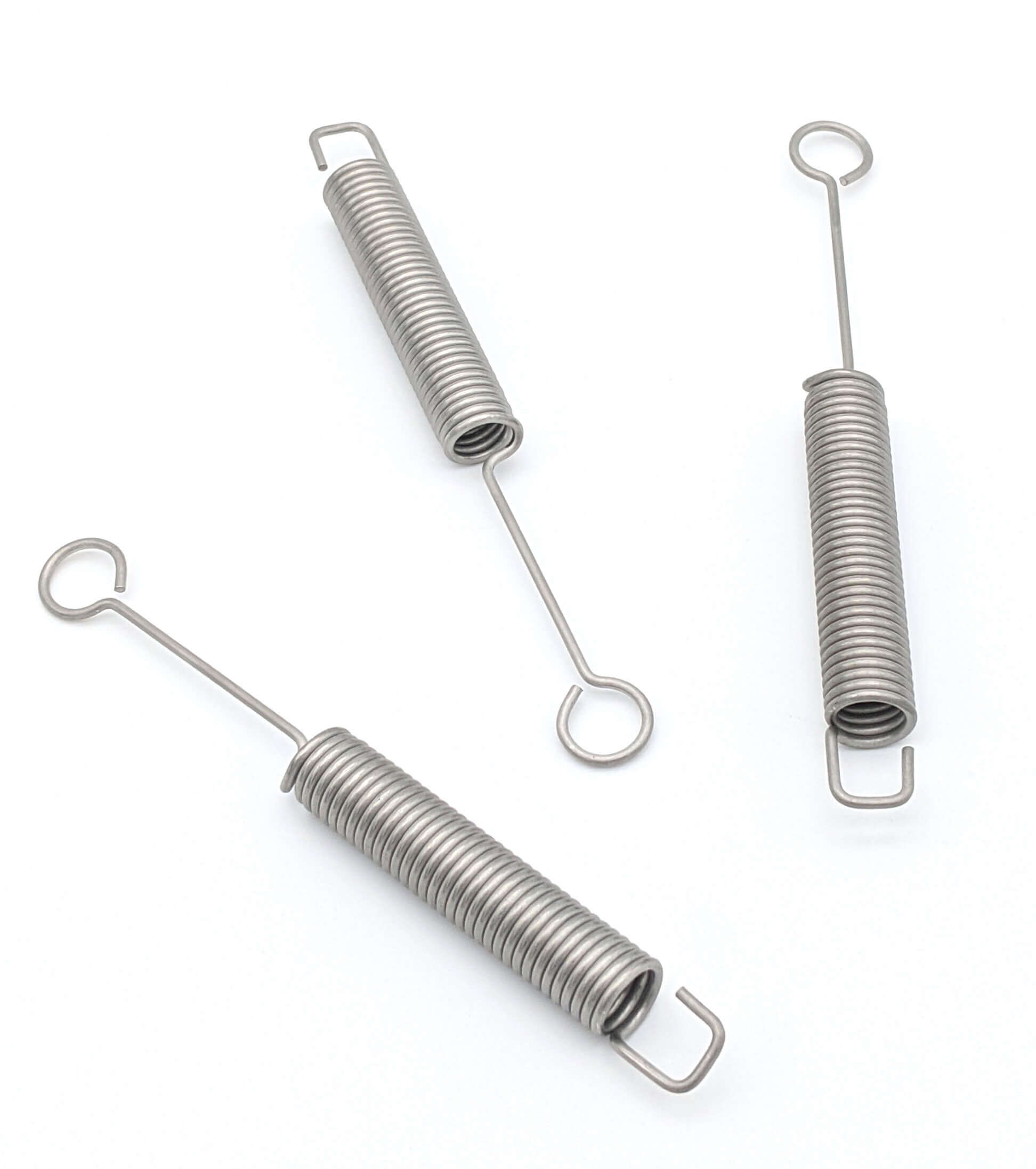
Imagine trying to open a heavy garage door without any assistance. It would be a strenuous and potentially dangerous task. That's where torsion springs come in – they provide the necessary force to make opening and closing your garage door a breeze. Essentially, these springs are like a coiled-up muscle, storing and releasing energy to help you lift the door with minimal effort. Torsion springs are mounted above the garage door, attached to a shaft that runs along the length of the door. When you pull the garage door opener's handle, the shaft rotates, winding up the torsion springs. This winding process stores potential energy in the springs, ready to be unleashed.
As you release the handle, the stored energy in the torsion springs is released, causing the shaft to unwind. This unwinding motion powers the door's upward movement. Torsion springs are designed to provide just the right amount of tension to balance the weight of the door, making it feel light and effortless to operate.
Not all torsion springs are created equal. There are various types of torsion springs, each designed for specific garage door applications. Some key factors to consider when selecting torsion springs include the door's weight, size, and intended use. Here are two common types of torsion springs:
Extension springs are a more traditional option, typically found on older garage doors. These springs are located on the sides of the door, extending and contracting as the door moves. While extension springs are still used in some cases, torsion springs are generally preferred due to their greater power and safety features.
Torsion springs offer several advantages over extension springs:
Torsion springs are typically measured by their diameter and length. A qualified garage door professional can help you determine the appropriate size and type of torsion springs for your specific door.
Garages are the perfect setting for torsion springs to showcase their strengths. They provide the reliable lifting power needed for heavy garage doors, allowing for easy access to your vehicle and storage. Torsion springs are built to withstand the elements, resisting the effects of humidity, temperature fluctuations, and other environmental factors commonly found in garages. However, it's important to note that torsion springs do require regular maintenance to ensure optimal performance and safety.
Torsion springs are a powerful component of your garage door system and need proper care. Over time, torsion springs can wear out, losing their ability to provide adequate lifting force. This can lead to a sluggish door, difficulty opening and closing, or even a potential safety hazard. Regular maintenance is crucial to keep your torsion springs operating effectively. Here are some essential tips for maintaining your garage door torsion springs:
Torsion springs are an integral part of a garage door system, but their potential energy can also pose a safety risk if not handled correctly. Broken or worn torsion springs can suddenly release, causing serious injury. Therefore, it's vital to prioritize safety when dealing with torsion springs:
Torsion springs are the hidden heroes of your garage door system, working tirelessly behind the scenes to ensure smooth and reliable operation. They provide the power needed to lift and lower heavy doors with minimal effort. From their high-performance capabilities to their essential role in ensuring garage door safety, torsion springs are a crucial component of any garage. While these springs may seem simple, they are a testament to the ingenuity of engineering and play a vital role in making your garage a more convenient and safe space.
Whether you're a homeowner looking to improve the functionality of your garage or a professional garage door technician, understanding the role of torsion springs is essential. By recognizing their importance, choosing the right type for your needs, and ensuring proper maintenance, you can enjoy the benefits of smooth, reliable, and safe garage door operation for years to come. Remember, when it comes to torsion springs, safety should always be the top priority. Leave their maintenance and repair to qualified professionals, and let these unassuming springs continue to work their magic, making your garage a more convenient and enjoyable space.
Browse some of the custom wire forms and springs that we manufacture. Don’t see what you need? We specialize in made-to-order products that meet your application requirements.
Visit Our Gallery
Need a custom wire form or coil spring? We make it work. Fill out the contact form and a representative will respond within 1 business day. If you have a PDF or CAD file, you can submit to request a quote.

Your Team For Innovative Wire Forming
We provide solutions for complex, high-quality
wire forms and coil springs.
©Dongguan Chaoyi Hardware Spring Co.
Dongguan, Guangdong, China, IL 523565