Get unique, complex parts easily. No matter your requirements, Chaoyi Spring creates hard-to-produce coil springs and wire forms.
Let us help you create the custom wire form you need, from S-hooks and J-hooks to utility hooks and more.
We work closely with customers across a wide range of industries, helping them design and manufacture made-to-order parts.
Why choose Chaoyi Spring? We prioritize customer-focused collaboration, modern equipment and the latest technology to make your parts per print.
Find the information and guidance you need, from measuring a spring to learning about materials, placing an order and much more.
Coil springs are essential components in many mechanical systems, providing support, cushioning, and restoring force. Over time, these springs can wear out, lose their elasticity, or even break, necessitating replacement.


Coil springs are essential components in many mechanical systems, providing support, cushioning, and restoring force. Over time, these springs can wear out, lose their elasticity, or even break, necessitating replacement. Knowing when a coil spring replacement is necessary and how to handle the process can save you a lot of trouble and ensure the safe and efficient operation of your machinery or vehicle.
Before you dive into replacing a coil spring, it's important to understand when it's actually necessary. Here are a few signs that indicate your coil spring might be on its last legs:
1. **Sagging or drooping:** If you notice that your vehicle is sitting lower than usual, or if there's a noticeable difference in height between the two sides, it could be a sign of worn-out or broken coil springs. The springs are no longer providing adequate support, leading to a sagging appearance.
2. **Unusual noises:** A clunking, thumping, or banging sound, especially when driving over bumps or uneven surfaces, can point to a broken or damaged coil spring. The spring is no longer effectively absorbing shock, causing these jarring noises.
3. **Bounce and instability:** If your vehicle feels excessively bouncy or unstable, particularly when cornering or braking, it's possible that the coil springs are worn out. The springs are responsible for controlling the vehicle's ride height and stability, and weakened springs can lead to a bouncy or unstable ride.
4. **Visible damage:** If you can actually see damage to the coil spring, such as cracks, bends, or breaks, it's definitely time for a replacement. Don't ignore visible damage, as it can lead to more serious problems down the line.
Before jumping into the replacement process, it's helpful to understand the different types of coil springs and their applications:
1. **Compression Springs:** These springs are designed to resist compression, getting shorter when a force is applied. You'll often find them in shock absorbers, suspension systems, and various mechanical applications.
2. **Extension Springs:** Extension springs, on the other hand, are meant to resist tension. They stretch when a force is applied. You might encounter them in garage door systems, retractable cables, and spring-loaded mechanisms.
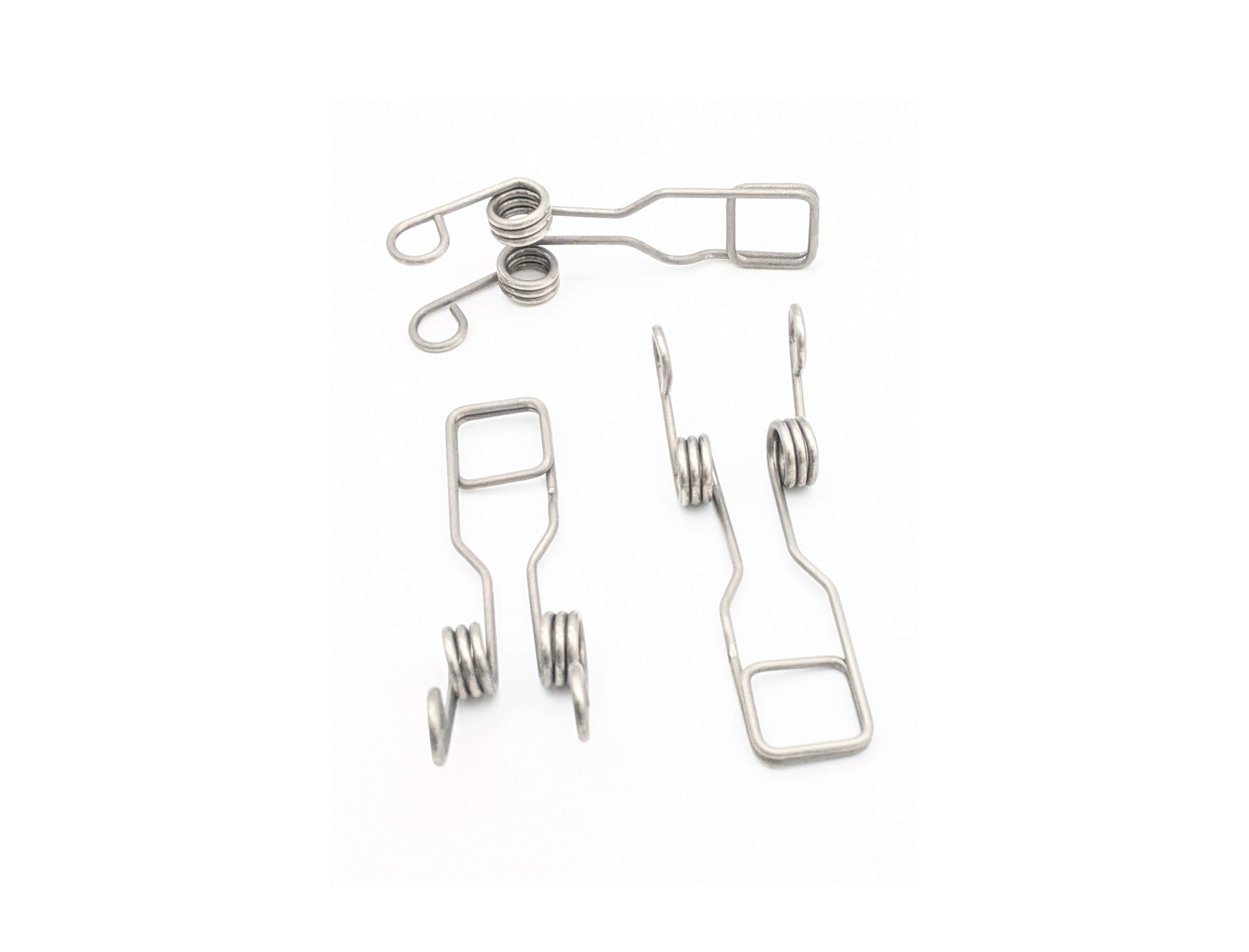
3. **Torsion Springs:** These springs work by twisting. When a torque is applied, they rotate around their axis. They're commonly used in door hinges, spring-loaded latches, and various other applications requiring rotational force.
Replacing a coil spring isn't always a DIY project, especially if you're working on a vehicle's suspension system. Here's a general outline of the process:
1. **Safety First:** Ensure the vehicle or machinery is securely supported on jack stands. Disconnect the battery and any electrical connections in the vicinity of the coil spring. Wear appropriate safety gear, including gloves and eye protection.
2. **Removing the Old Spring:** Depending on the application, you might need to remove other components, such as shock absorbers or control arms, to access the coil spring. Use specialized tools like spring compressors to safely compress the spring and allow for removal.
3. **Installing the New Spring:** Once the old spring is out, carefully install the new spring, ensuring it's properly seated and oriented. Use spring compressors to safely install the spring, as they can be quite powerful.
4. **Reassembling and Testing:** Reassemble the components in the reverse order of removal. After reassembly, test the system by driving the vehicle or running the machinery to ensure the new spring is functioning correctly.
Here are a few additional tips to ensure a smooth and successful coil spring replacement:
1. **Choose the Right Spring:** Make sure to select a replacement coil spring that's compatible with your vehicle or machinery. Pay attention to the spring's length, diameter, rate (spring constant), and any other specifications.
2. **Use Proper Tools:** Invest in quality spring compressors and other specialized tools to safely handle the spring. Don't attempt to compress or install a coil spring without the appropriate tools.
3. **Seek Professional Help:** If you're not comfortable or experienced with this kind of repair, consider seeking professional help from a qualified mechanic. They have the expertise and tools to ensure the job is done correctly and safely.
Coil springs play a vital role in many mechanical systems. When they wear out or fail, it's important to replace them promptly. Understanding the signs of a failing spring, the different types of springs, and the proper replacement process can help you maintain the safety and performance of your vehicle or machinery. Remember to always prioritize safety and seek professional help if needed. By taking care of your coil springs, you'll ensure smooth and reliable operation for years to come.
By recognizing the signs of a failing spring, understanding the types available, and following the proper replacement steps, you can ensure the continued safety and performance of your vehicle or machinery. Remember, sometimes seeking professional help is the safest and most effective option.
Browse some of the custom wire forms and springs that we manufacture. Don’t see what you need? We specialize in made-to-order products that meet your application requirements.
Visit Our Gallery
Need a custom wire form or coil spring? We make it work. Fill out the contact form and a representative will respond within 1 business day. If you have a PDF or CAD file, you can submit to request a quote.

Your Team For Innovative Wire Forming
We provide solutions for complex, high-quality
wire forms and coil springs.
©Dongguan Chaoyi Hardware Spring Co.
Dongguan, Guangdong, China, IL 523565