Get unique, complex parts easily. No matter your requirements, Chaoyi Spring creates hard-to-produce coil springs and wire forms.
Let us help you create the custom wire form you need, from S-hooks and J-hooks to utility hooks and more.
We work closely with customers across a wide range of industries, helping them design and manufacture made-to-order parts.
Why choose Chaoyi Spring? We prioritize customer-focused collaboration, modern equipment and the latest technology to make your parts per print.
Find the information and guidance you need, from measuring a spring to learning about materials, placing an order and much more.
Working on car suspension systems often involves dealing with coil springs, which are essential for providing a smooth and comfortable ride. However, these springs can be extremely dangerous if not


Working on car suspension systems often involves dealing with coil springs, which are essential for providing a smooth and comfortable ride. However, these springs can be extremely dangerous if not handled properly. That's where a coil spring compressor comes in. This handy tool allows you to safely and efficiently compress coil springs, making it easier to replace shocks, struts, or even springs themselves.
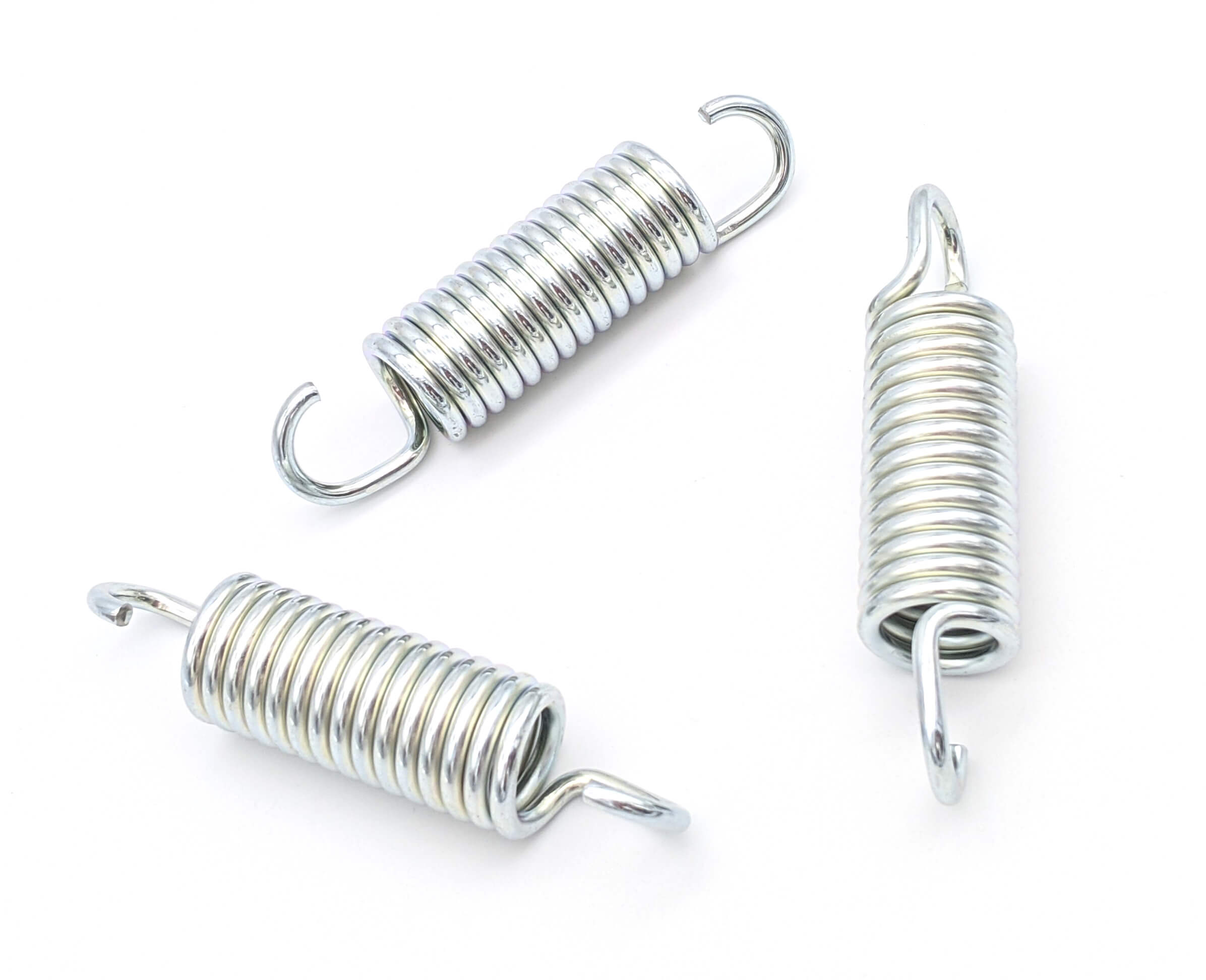
A coil spring compressor is a specialized tool designed to safely compress coil springs on vehicles. These tools typically consist of two arms that clamp onto the spring, and a mechanism for applying pressure to compress the spring. Coil spring compressors come in various sizes and designs, each suited for different applications and spring sizes.
Coil springs are designed to absorb shock and vibration, making them extremely strong and resilient. This strength can be dangerous if you try to compress or remove them without a proper tool. Attempting to compress a coil spring without a compressor could lead to the spring suddenly releasing and causing serious injury. Using a coil spring compressor ensures that the spring is safely compressed and held in place, allowing you to work on your suspension system without risking harm.
There are several types of coil spring compressors available, each with its own advantages and disadvantages.
These are the most common type of compressor. They consist of two arms that clamp onto the spring, with a mechanism for applying pressure to compress the spring. Two-arm compressors are generally versatile and suitable for a wide range of spring sizes. However, they can be challenging to use on some suspension setups with limited access.
These compressors feature a single arm that clamps onto the spring, making them easier to use in tight spaces. Single-arm compressors are often favored for specific applications where two-arm compressors might be too bulky or difficult to maneuver.
Hydraulic compressors utilize hydraulic pressure to compress the spring, providing more force and control. They are particularly useful for larger or heavier springs, but can be more expensive than other types.
Using a coil spring compressor is a relatively simple process, but it's important to follow safety precautions and proper techniques to prevent accidents.
Before using any spring compressor, always wear safety glasses, gloves, and sturdy footwear. Make sure the vehicle is properly supported and the wheels are blocked. Never work under a car unless it is securely supported on jack stands.
Start by assembling the compressor according to the manufacturer's instructions. Ensure that the arms are properly secured and that the pressure mechanism is functioning correctly.
Position the compressor arms securely on the spring, making sure they are evenly spaced and centered. Slowly apply pressure to the compressor, taking care not to over-compress the spring. As the spring compresses, the arms will move closer together, eventually allowing you to remove the shock or strut.
When you are finished working on the suspension component, slowly release the pressure on the compressor. Ensure that the spring is fully extended before removing the compressor arms.
When selecting a coil spring compressor, consider the following factors:
Make sure the compressor is compatible with the size and type of spring you need to compress. Check the manufacturer's specifications for maximum spring diameter and weight capacity.
Consider the space available around the spring and ensure that the compressor will fit properly and have sufficient clearance for operation.
Choose a compressor that is easy to use and has a durable construction. Look for features like quick-release mechanisms and adjustable arms for convenience.
Regular maintenance of your coil spring compressor is essential for ensuring safe and reliable operation.
After each use, inspect the compressor for any signs of damage, wear, or loose connections. Replace worn or damaged parts immediately.
Clean the compressor regularly using a brush or compressed air to remove dirt and debris. Lubricate moving parts to prevent rust and corrosion.
Store the compressor in a clean, dry place to prevent rust and damage. Keep it out of reach of children.
A coil spring compressor is an essential tool for anyone working on vehicle suspension systems. By using a compressor correctly and following safety precautions, you can safely compress and release coil springs, making repairs and maintenance easier and safer.
Remember, always prioritize safety when working with coil springs. Invest in a quality coil spring compressor, and never attempt to compress springs without the proper tools. By following these tips, you can safely and confidently handle spring compression and ensure your suspension system is in top shape.
Browse some of the custom wire forms and springs that we manufacture. Don’t see what you need? We specialize in made-to-order products that meet your application requirements.
Visit Our Gallery
Need a custom wire form or coil spring? We make it work. Fill out the contact form and a representative will respond within 1 business day. If you have a PDF or CAD file, you can submit to request a quote.

Your Team For Innovative Wire Forming
We provide solutions for complex, high-quality
wire forms and coil springs.
©Dongguan Chaoyi Hardware Spring Co.
Dongguan, Guangdong, China, IL 523565